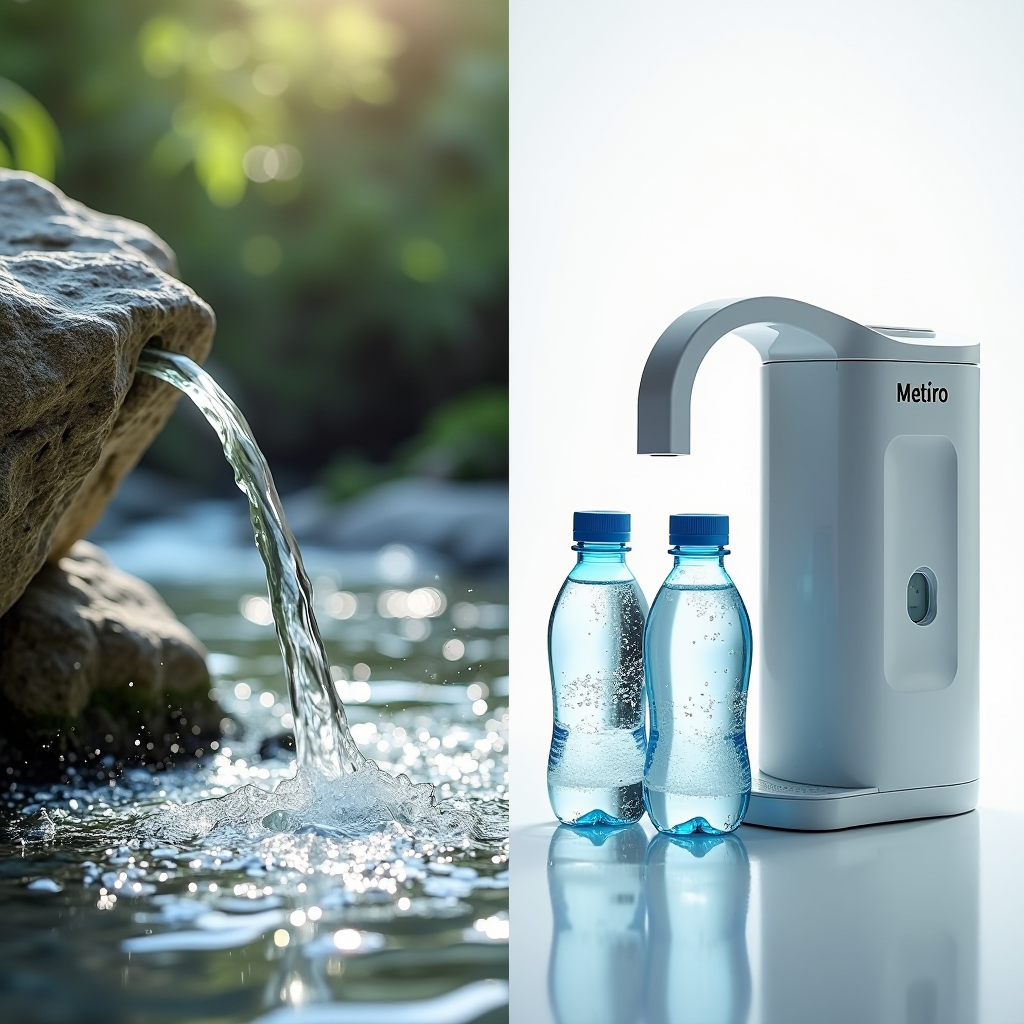
When it comes to choosing the right water for your family, the debate between spring water and purified water continues to be a topic of significant interest. Both options offer unique benefits and characteristics that can impact your health, taste preferences, and overall hydration experience. Understanding these differences is crucial for making an informed decision that aligns with your family's specific needs and lifestyle.
Water is the foundation of life, comprising approximately 60% of the human body and playing a vital role in virtually every bodily function. From regulating body temperature to facilitating nutrient absorption and waste elimination, the quality of water we consume directly affects our overall health and well-being. With maxpurehome water delivery services offering both spring and purified water options, it's essential to understand what sets these two types apart and which might be the optimal choice for your household.
What is Spring Water? Nature's Original Hydration Source
Spring water originates from underground formations where water naturally flows to the earth's surface. This water is collected at the spring source or through a borehole that taps into the underground formation feeding the spring. The defining characteristic of authentic spring water is that it must be collected at the spring or through a borehole that taps directly into the underground source.
One of the most significant advantages of spring water is its natural mineral content. As water travels through layers of rock and soil, it naturally absorbs minerals such as calcium, magnesium, potassium, and sodium. These minerals not only contribute to the water's distinctive taste but also provide essential nutrients that support various bodily functions. Calcium and magnesium, for instance, are crucial for bone health, while potassium helps regulate blood pressure and supports proper muscle function.
The mineral composition of spring water varies depending on the geological characteristics of its source. Some springs produce water with higher mineral content, often referred to as mineral water, while others have a lighter mineral profile. This natural variation means that spring water from different sources can have distinctly different taste profiles, allowing consumers to find options that best suit their preferences.
Spring water undergoes minimal processing to ensure safety while maintaining its natural characteristics. Typically, it is filtered to remove debris and may be treated with ozone or ultraviolet light to eliminate harmful microorganisms. However, the goal is to preserve the water's natural mineral content and taste while ensuring it meets strict safety standards established by regulatory agencies.
Understanding Purified Water: The Science of Clean Hydration
Purified water represents a different approach to water quality, focusing on the removal of virtually all impurities, contaminants, and minerals through advanced filtration and treatment processes. The source of purified water can be municipal tap water, well water, or even spring water, but what distinguishes it is the rigorous purification process it undergoes.
The purification process typically involves multiple stages of filtration and treatment. Common methods include reverse osmosis, deionization, distillation, and carbon filtration. Reverse osmosis, one of the most effective purification methods, forces water through a semi-permeable membrane that removes up to 99% of dissolved solids, including minerals, salts, and contaminants. This process results in exceptionally pure water with a neutral taste profile.
Distillation, another popular purification method, involves boiling water and collecting the condensed steam, leaving behind impurities and minerals. Deionization uses ion-exchange resins to remove mineral ions, while carbon filtration effectively removes chlorine, organic compounds, and improves taste and odor. Many purified water products use a combination of these methods to achieve the highest level of purity.
The result of these purification processes is water that is virtually free from contaminants, minerals, and dissolved solids. This makes purified water an excellent choice for individuals with specific health concerns, those living in areas with questionable water quality, or people who prefer a completely neutral taste. The consistency of purified water is another advantage – regardless of the original source, the end product maintains uniform quality and taste characteristics.
Mineral Content and Nutritional Considerations
The mineral content difference between spring water and purified water represents one of the most significant distinctions between these two options. Spring water naturally contains varying levels of essential minerals that can contribute to your daily nutritional intake. A typical serving of spring water might provide 10-15% of your daily calcium needs and 5-10% of your magnesium requirements, depending on the source.
These naturally occurring minerals offer several health benefits. Calcium supports bone density and dental health, while also playing a role in muscle contraction and nerve signaling. Magnesium is essential for energy production, protein synthesis, and maintaining healthy blood pressure levels. The presence of these minerals in spring water means that every glass contributes, albeit modestly, to your overall mineral intake.
Purified water, on the other hand, has had these minerals removed during the purification process. While this doesn't make purified water unhealthy, it does mean that it won't contribute to your mineral intake in the same way spring water does. However, for most people following a balanced diet, the minerals obtained from food sources are sufficient to meet daily requirements, making the absence of minerals in purified water a non-issue from a nutritional standpoint.
Some purified water brands add minerals back into the water after purification, a process known as remineralization. This allows them to control the exact mineral content and create a consistent taste profile while still providing some nutritional benefits. When choosing between spring and purified water, consider your overall diet and whether the additional minerals from spring water would be beneficial for your specific nutritional needs.
Taste Profile and Personal Preferences
Taste is a highly subjective factor that significantly influences water choice, and the difference between spring water and purified water can be quite noticeable to discerning palates. Spring water typically has a more complex taste profile due to its natural mineral content. The specific minerals present in the water contribute subtle flavors that many people find refreshing and satisfying. Some describe spring water as having a "crisp" or "clean" taste with slight mineral notes.
The taste of spring water can vary considerably depending on its source. Water from mountain springs might have a different flavor profile compared to water from lowland springs, reflecting the unique geological characteristics of each location. This variation is part of spring water's appeal for many consumers who appreciate the natural diversity and authenticity of the product.
Purified water, in contrast, offers a neutral, consistent taste that many people describe as "pure" or "clean" without any distinctive flavor notes. The absence of minerals and other dissolved solids means there's nothing to impart flavor to the water. Some people prefer this neutral taste, finding it more refreshing and easier to drink in large quantities. Others might find purified water somewhat flat or lacking in character compared to spring water.
Personal preference plays a crucial role in determining which type of water tastes better to you. Some individuals are more sensitive to the mineral content in spring water and might find certain sources too "heavy" or mineral-forward. Others might find purified water too bland and prefer the subtle complexity of spring water. The best approach is to try both types from quality sources like maxpurehome water delivery and determine which aligns better with your taste preferences.
Health Benefits and Considerations for Your Family
Both spring water and purified water can be excellent choices for maintaining proper hydration and supporting overall health, but each offers distinct advantages depending on your family's specific needs and circumstances. Understanding these health considerations can help you make the most appropriate choice for your household.
Spring water's natural mineral content provides additional health benefits beyond basic hydration. The calcium in spring water supports bone health, which is particularly important for growing children and aging adults at risk for osteoporosis. The magnesium content can help support cardiovascular health, regulate blood sugar levels, and promote better sleep quality. For families looking to maximize the nutritional value of their drinking water, spring water offers these added benefits without any extra effort.
Purified water excels in situations where water purity is the primary concern. For individuals with compromised immune systems, infants, or those with specific health conditions that require strict control over mineral intake, purified water provides peace of mind. The thorough purification process removes not only beneficial minerals but also any potential contaminants, heavy metals, or microorganisms that might be present in the source water.
For families with members who have kidney disease or other conditions requiring restricted mineral intake, purified water may be the recommended choice. The absence of minerals means there's no risk of excessive mineral consumption, which can be important for managing certain health conditions. Additionally, purified water is often recommended for use in medical devices like CPAP machines or humidifiers, where mineral buildup could cause problems.
It's worth noting that both spring water and purified water from reputable sources like maxpurehome undergo rigorous testing and quality control to ensure safety. The choice between them often comes down to personal health goals, taste preferences, and specific family needs rather than one being inherently healthier than the other. Consulting with healthcare providers can help determine which option best supports your family's unique health requirements.
Making the Right Choice for Your Family
Deciding between spring water and purified water ultimately depends on a combination of factors including taste preferences, health considerations, lifestyle needs, and personal values. There's no universally "correct" choice – both options can effectively support your family's hydration needs when sourced from quality providers.
Consider spring water if you appreciate natural products with minimal processing, enjoy the taste of mineral-rich water, and want the added nutritional benefits of naturally occurring minerals. Spring water is an excellent choice for families who prioritize natural food and beverage options and don't have specific health conditions requiring mineral restriction. The variety of taste profiles available from different spring sources also allows you to find an option that perfectly suits your preferences.
Choose purified water if you prefer a consistently neutral taste, have specific health conditions requiring controlled mineral intake, or live in an area where you're concerned about water source quality. Purified water is ideal for families who want the assurance of thorough contaminant removal and don't mind the absence of naturally occurring minerals. It's also the better choice for certain household uses beyond drinking, such as in appliances or medical devices.
Many families find that having both options available through a service like maxpurehome water delivery provides the flexibility to use each type for different purposes. You might prefer spring water for everyday drinking while keeping purified water on hand for specific uses or family members with particular needs. This approach allows you to enjoy the benefits of both types without having to choose one exclusively.
Regardless of which type you choose, the most important factor is ensuring consistent, adequate hydration for all family members. Both spring water and purified water can effectively support this goal when consumed regularly throughout the day. Focus on establishing good hydration habits, and let your personal preferences and specific needs guide your choice between these two excellent options.
Final Thoughts
The choice between spring water and purified water is a personal decision that should be based on your family's unique needs, preferences, and health considerations. Spring water offers the benefits of natural mineral content and varied taste profiles, while purified water provides exceptional purity and consistency. Both options, when sourced from reputable providers like maxpurehome, can effectively support your family's hydration needs and contribute to overall health and wellness. Consider trying both types to determine which best fits your lifestyle, and remember that the most important thing is maintaining proper hydration regardless of which option you choose.